
The View from Chapter Two
Following loads of terrific insight, engagement and thought-provoking comments, images and videos in Chapter One, our Zoomers have been busily lending their thoughts to each of our specific Cause Collectives for the past 3 weeks.
More specifically, we've heard about perceptions towards Emergency Response & Lifesaving Intervention charities, how Gen Z are most likely to support them, their role within broader society, and have even sent them on digital safaris to give us insight into how they're interacting with your and other charities today. We haven't yet revealed who's behind the project, giving us plenty of opportunities to understand their unbiased thoughts.
Before we delve into the specifics, we want to share a couple of powerful collective insights that have run across all of our cause collectives.

Charities' lights are shining brightly
Our Zoomers recognise the important work that all charities are doing and view them positively. They know it takes more than charities alone to tackle the biggest issues - with many noting that governments need to do more - but they appreciate what's already being achieved. They are willing to support your causes.
"Despite the government being the obvious choice for who should be responsible, I think that charities are doing the majority of the work."
"I feel like the most work is coming from the volunteers who are doing the most for the charities. They are spreading the word and working hard to get others involved and helping the cause. They are raising money and encouraging others to do the same."

Mental Health runs across all charities
What struck us from our Zoomers is how often they linked all of our Cause Collectives back to mental health issues. It's the one issue that is prominent in their minds and capable of galvanising them to action across the cause collectives. Relating your cause to positive mental health outcomes creates a connection to Gen Z.
"We are currently in a mental health crisis. You can give them CPR, you can bandage their wounds. But for a mental health crisis, what can we do for people who need that kind of help, rather than just kind of put them in the same hospital?"
"There is a lack of specialist mental health support to help those with disabilities who are struggling with unique mental health difficulties such as social isolation."
"People can end up homeless due to struggling with addiction and their mental health. This is important as everyone should be able to talk about their feelings and work through it with a professional rather than feeling isolated and helpless."
Emergency Response and Lifesaving Intervention - Charities mentioned:
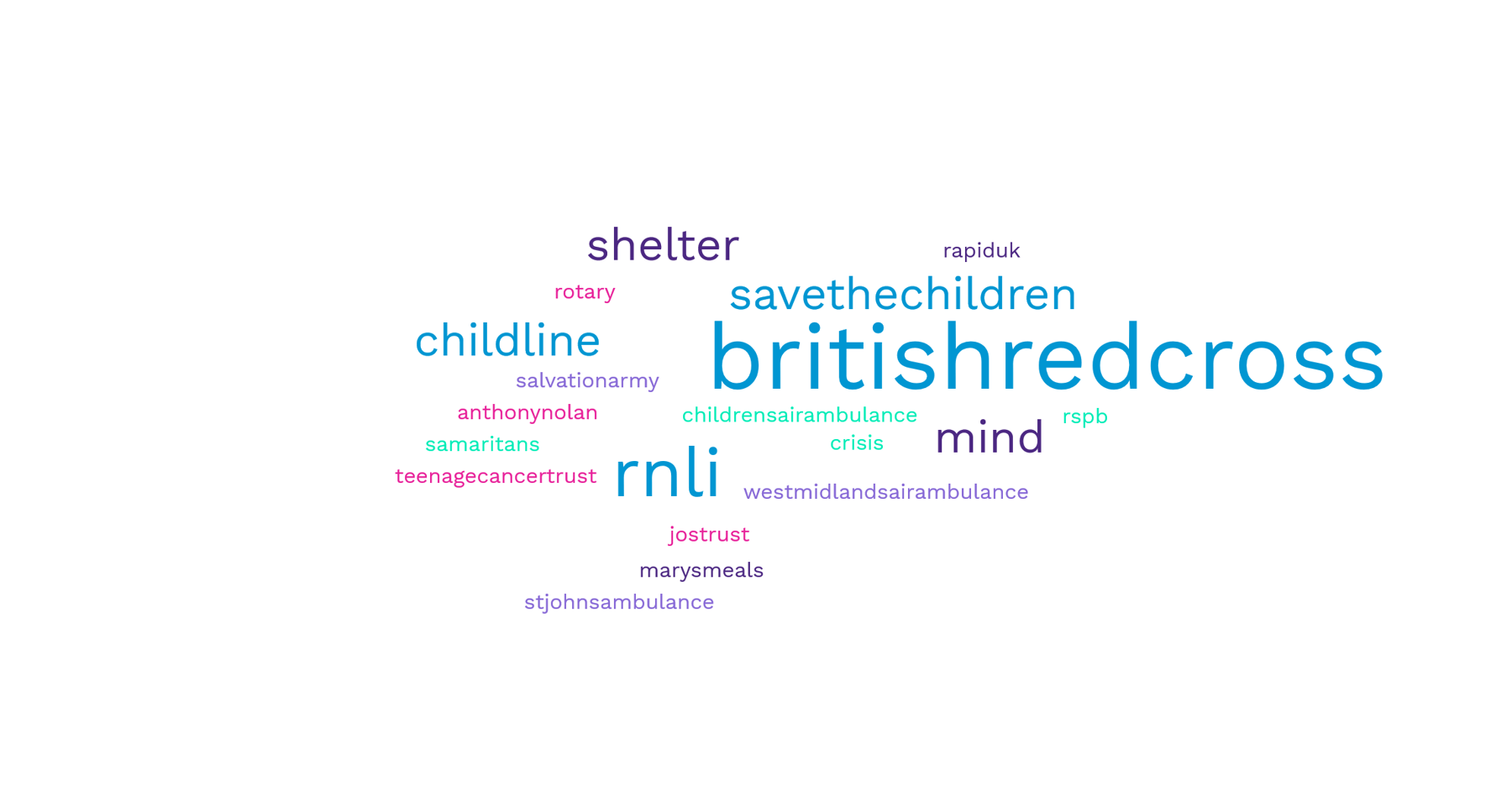
We asked our Zoomers to list the charities they most commonly associate with assisting with Emergency Response and Lifesaving Intervention and have plotted them in the above word cloud. As you can see, we saw recognition of a breadth of charities operating in this space, with few single names dominating. This was often due to local services needing to meet much of this demand, rather than reliance on one over-arching provider. It's interesting to note that more typically 'mental health' aligned charities such as Mind, Shelter and Child Line appear - highlighting the importance that Gen Z place on these activities with regards to lifesaving initiatives.
Key takeaways from our digital safaris for your cause collective
We sent our Zoomers to the website of your and other charities, asking them to tell us what inspired, motivated or caused them to disengage. Here's a preview of what they told us, and what it might mean for you.
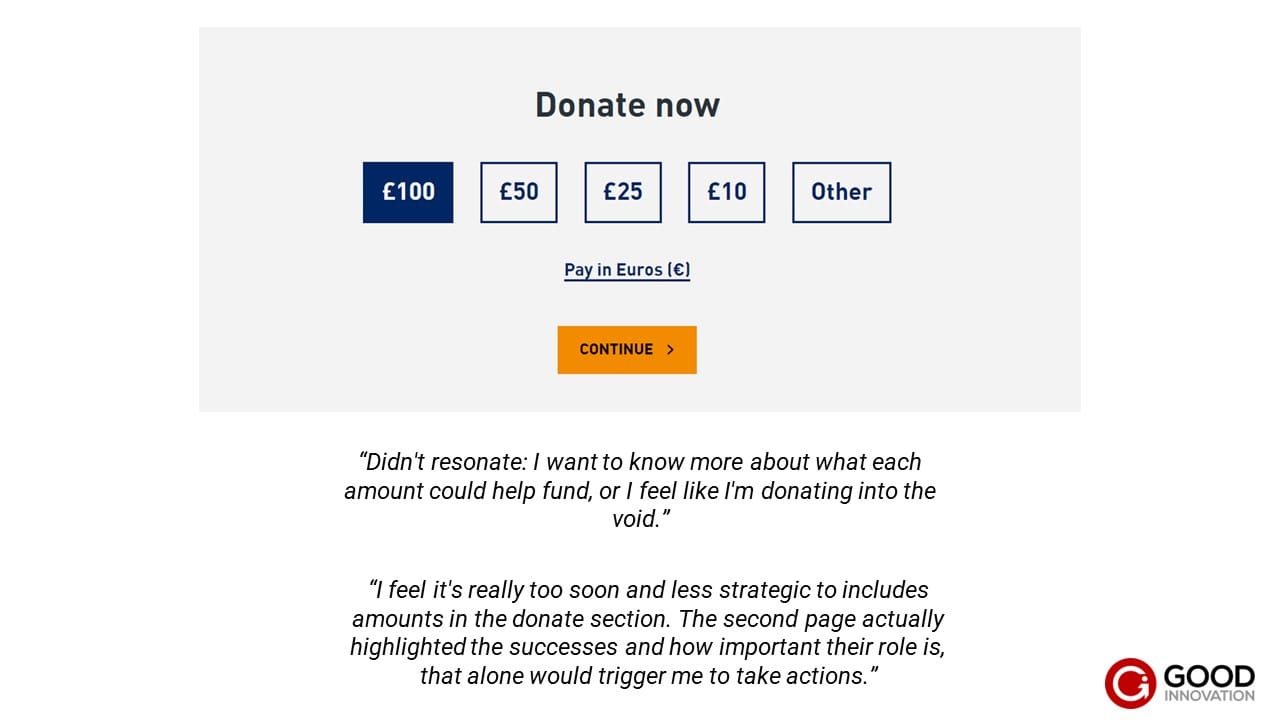
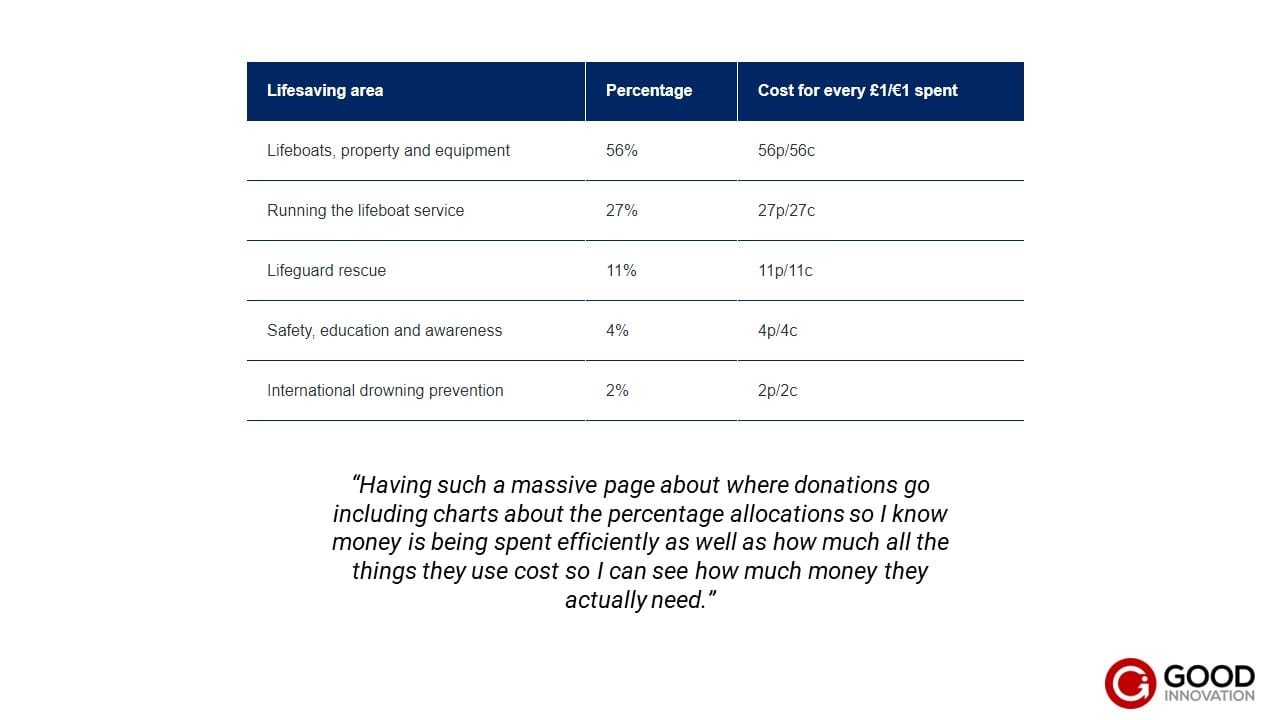
Context for Donations really matters
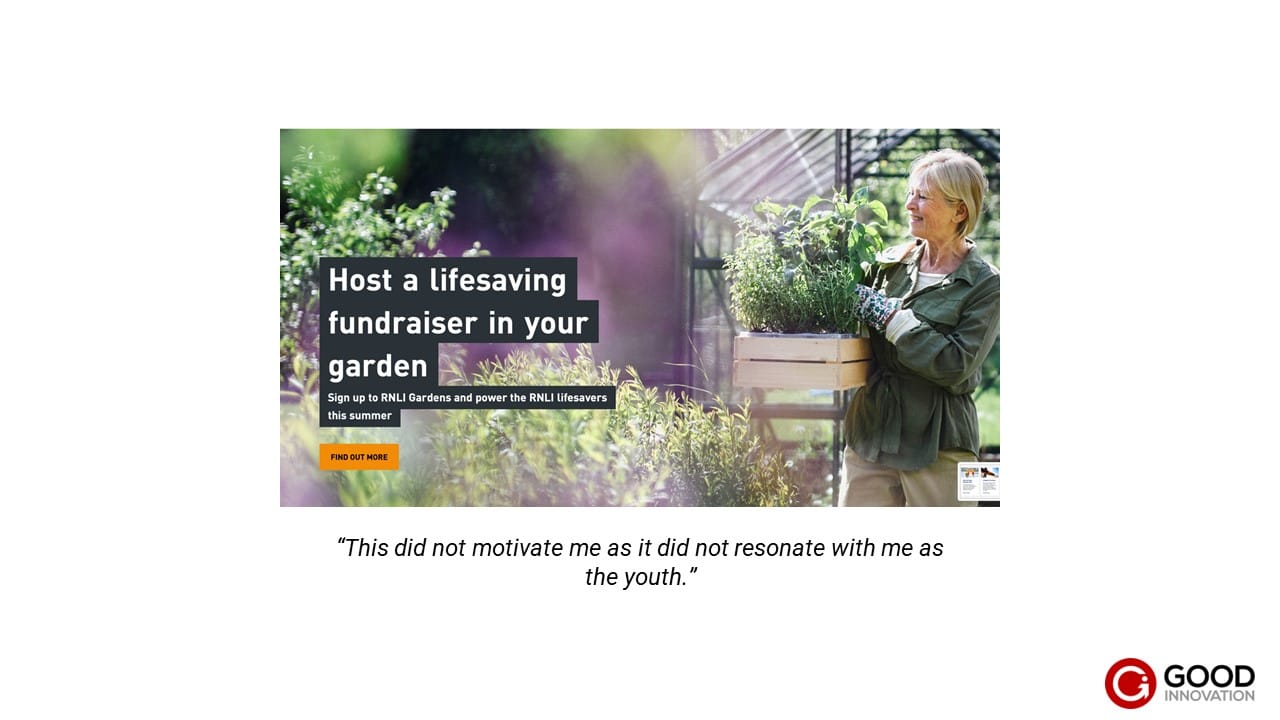
Talk to Gen Z directly to capture attention
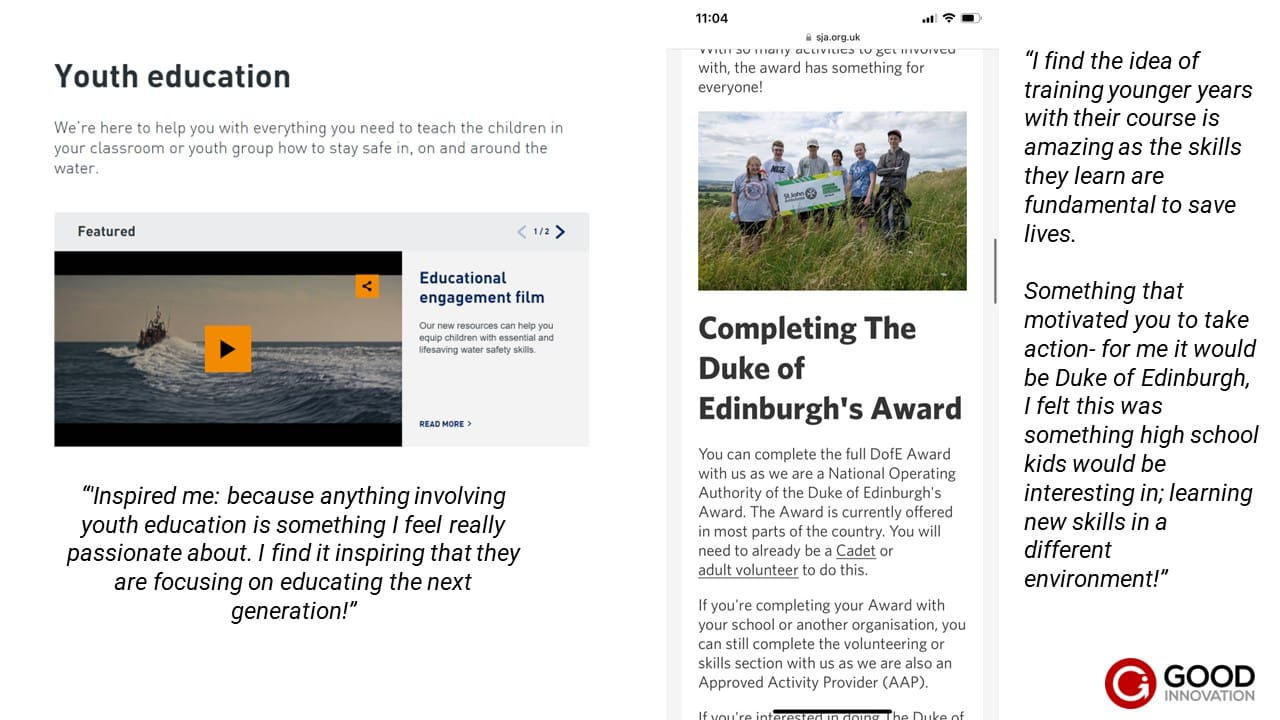
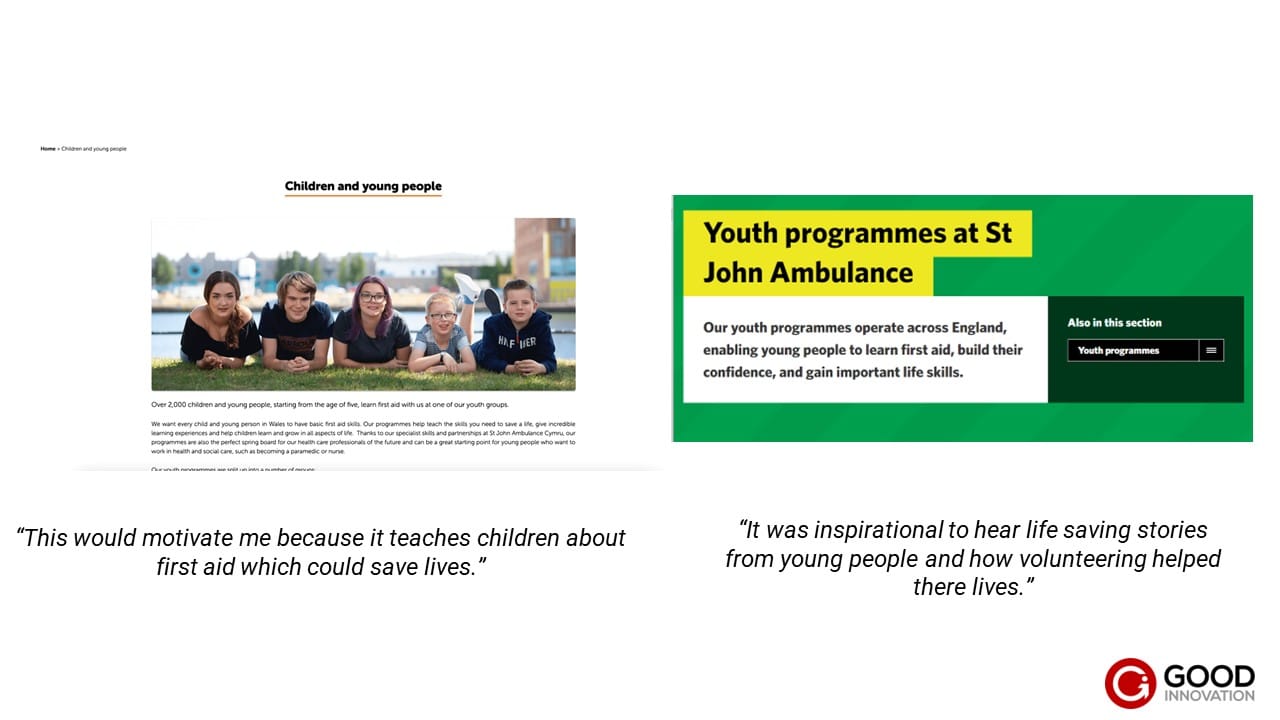
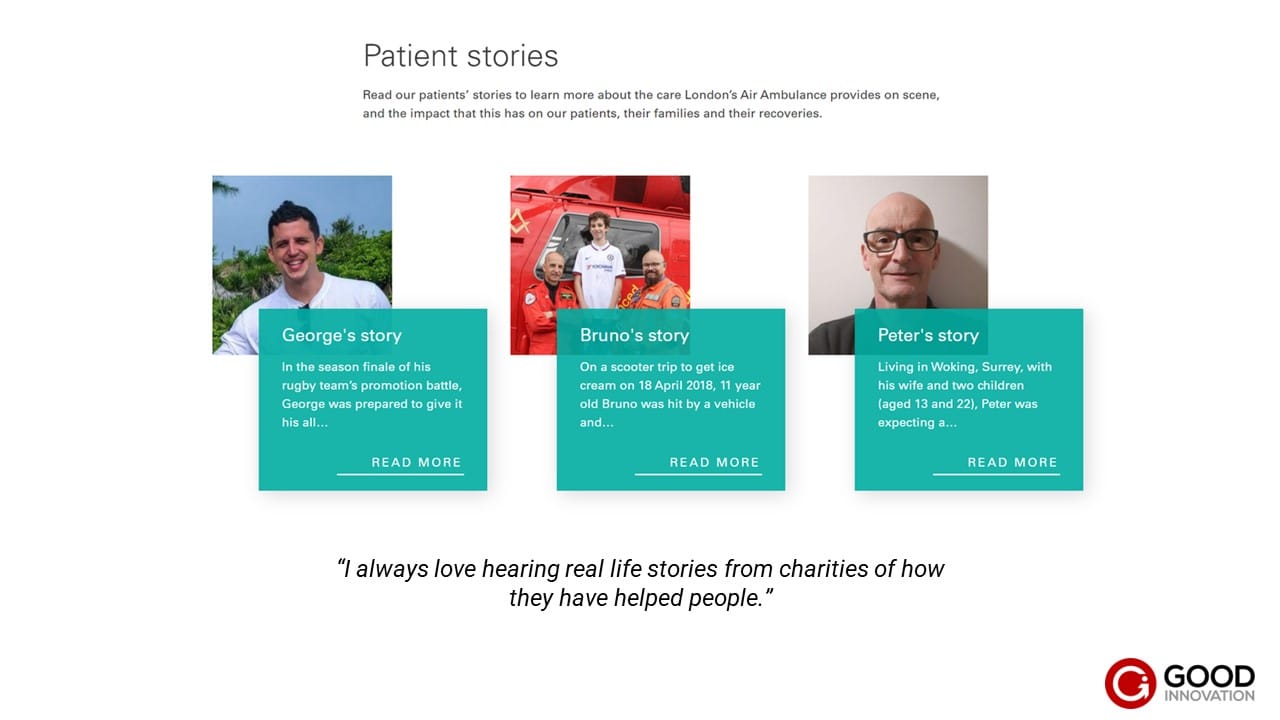
Facts, figures & success stories help them to verify, and engage with, your cause
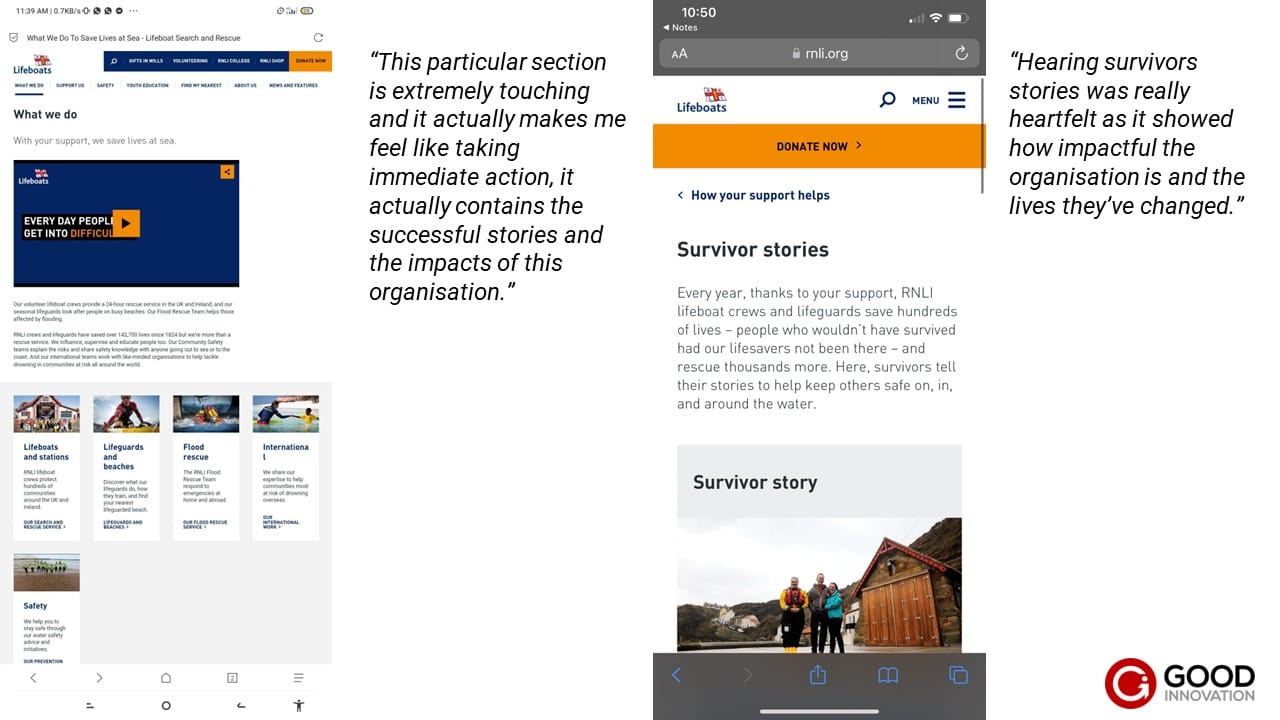
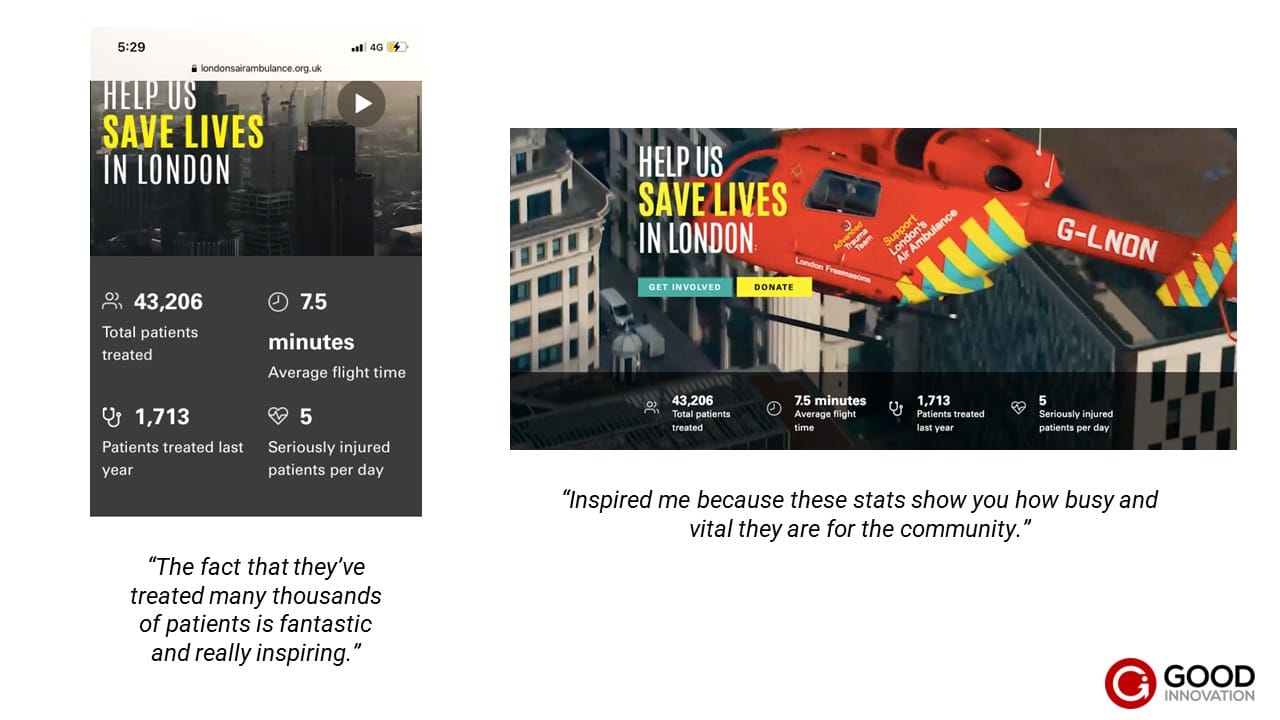
Clarity, Simplicity & Urgency all help to drive action
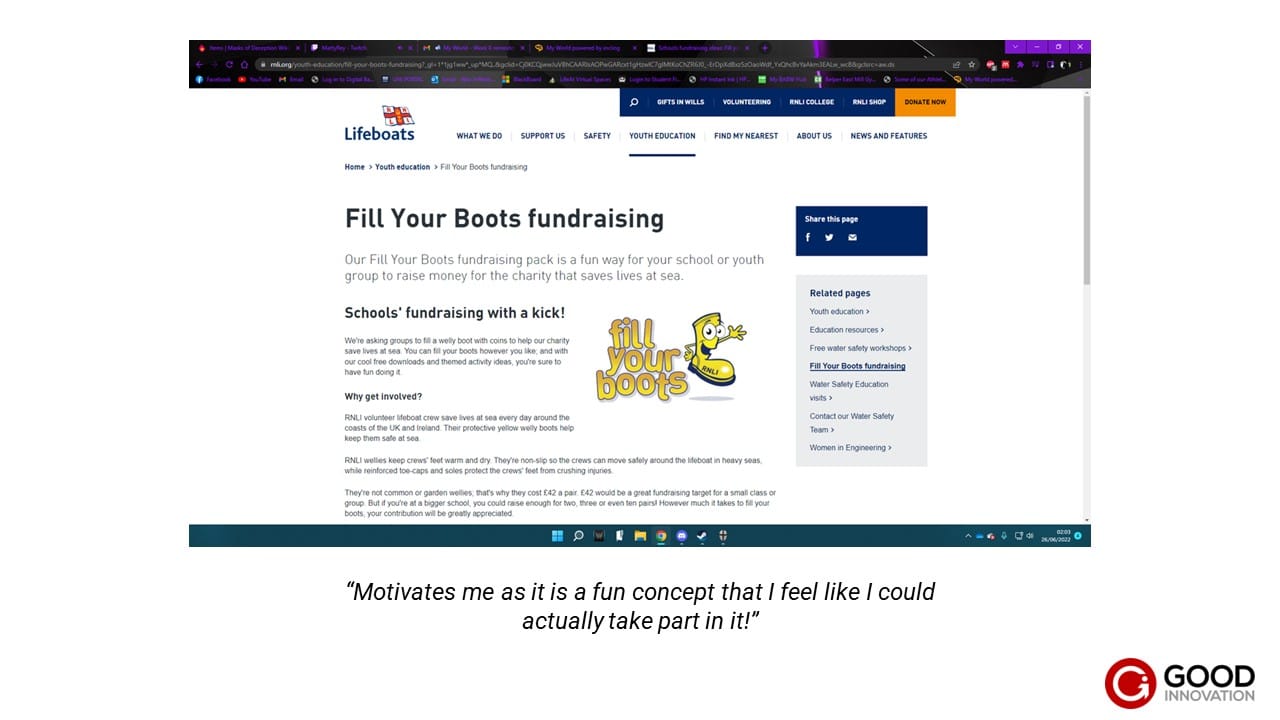
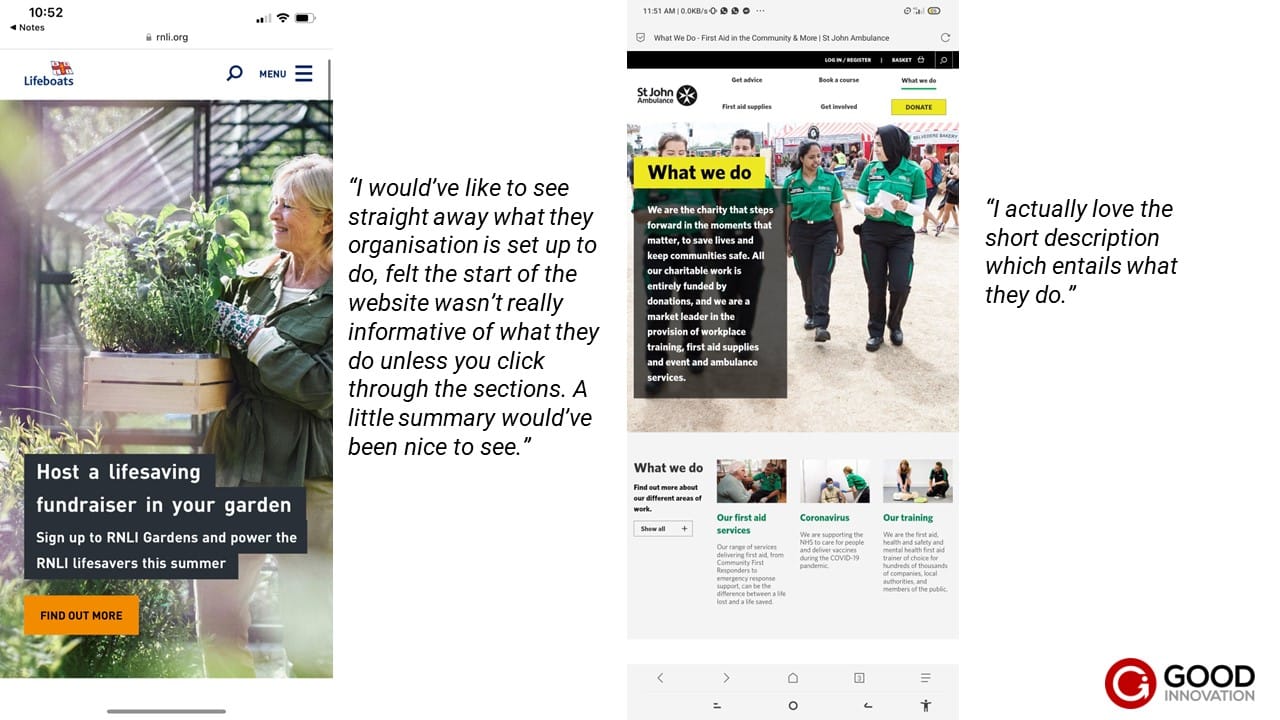
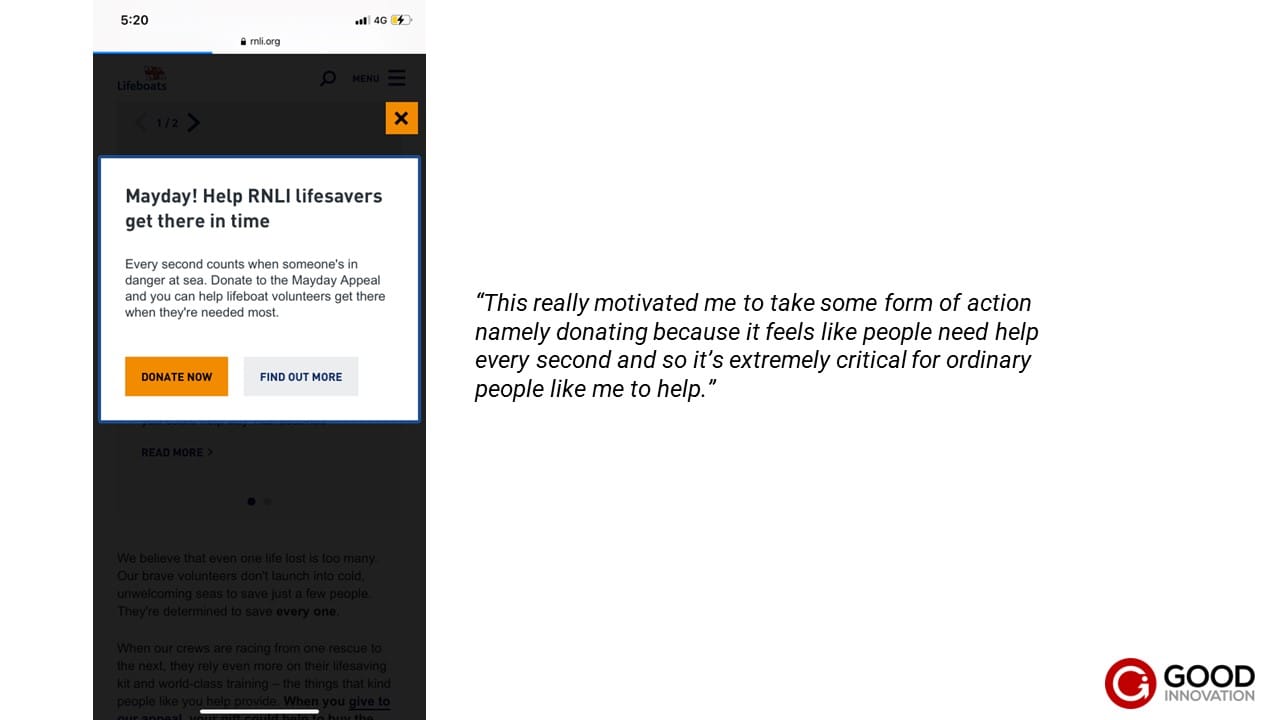
Finally, we asked our Zoomers how would improve and enhance the websites they'd looked at to really make them pop for their fellow generation. The below example really highlighted some of the vital components to drawing in a Gen Z audience online:
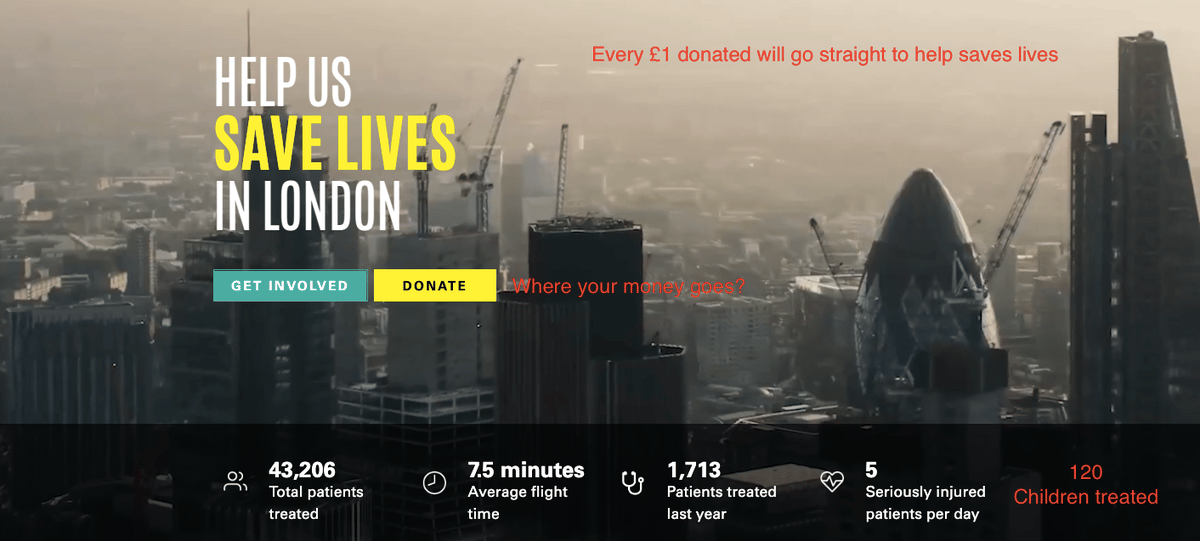
"I have added three things to the homescreen:
1. I have added a button where it will take you to a screen of how exactly your money is spent and a breakdown of this
2. I have added a phrase where it shows that all the money goes towards the cause and not towards profits
3. I have also added some stats about children to show that children also need help from the charity
This would help engage with younger audience because it will show them where there money is going. This is important because people want value for money and to follow there money. Secondly I personally like stats and stats relating to children or young adults will help us connect more to the cause."